Viparīta Karani (Legs-Up-the-Wall)
A deeply restorative and calming posture that reverses the effects of gravity on the body.
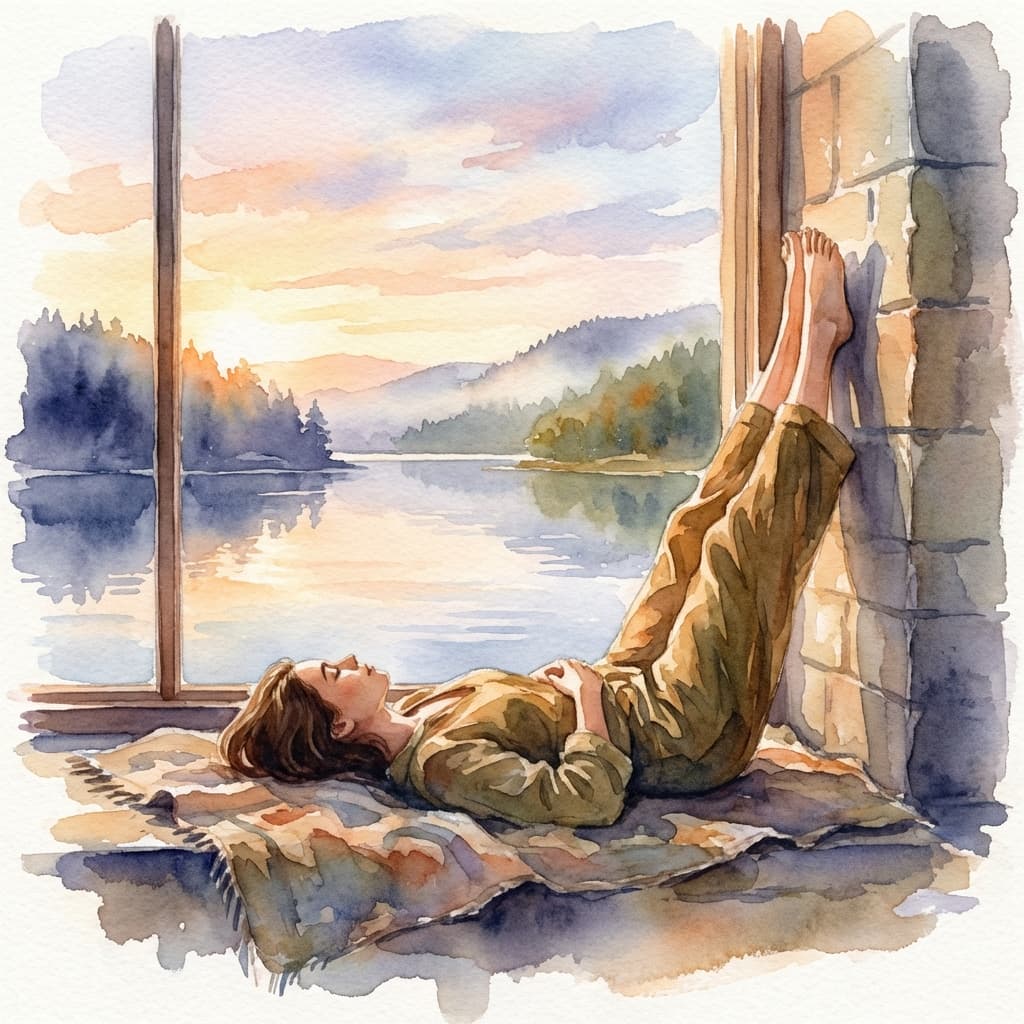
Introduction
Viparīta Karaṇī (Legs-Up-the-Wall Pose) is a restorative yoga posture that allows the body and mind to relax deeply. The name comes from the Sanskrit words viparīta meaning "inverted" or "reversed", and karaṇī meaning "doing" or "action". Unlike active inversions, this pose is accessible to almost everyone and is often used at the end of a practice to calm the nervous system.
Key Benefits
- Improved Circulation: Reverses blood flow from the legs back to the heart, reducing swelling and fatigue in the lower limbs.
- Nervous System: Activates the parasympathetic nervous system (rest and digest), helping to lower stress and anxiety.
- Sleep Quality: Practicing this before bed can help alleviate insomnia and promote deeper, more restful sleep.
- Lower Back Relief: Gently stretches the hamstrings and relieves pressure on the lower back and sacrum.
- Mental Clarity: Calms the mind and helps reduce mild headaches or mental fatigue.
Contraindications & Precautions
⚠️ Important Safety Notes
Practice with caution or avoid if you have:
- Glaucoma or serious eye conditions (due to increased ocular pressure)
- Menstruation (traditionally avoided, though gentle practice is personal choice)
- Congestive heart failure
- Severe neck or back injuries (practice with extra support)
Note: If your feet feel tingly, bend your knees and touch your feet together, bringing your heels toward your pelvis.
How to Perform (Step-by-Step)
- Position the SupportPlace a bolster or folded blanket about 5-6 inches away from the wall. Sit sideways on the edge of the support.
- Roll onto the BackExhale and gently swing your legs up onto the wall as you roll your shoulders and head down onto the floor.
- Adjust the HipsYour sit bones don't need to touch the wall, but they should be close. The support should be under your lower back/sacrum.
- Arms and ChestOpen your arms out to the sides, palms facing up. Keep your neck relaxed and long. Soften your gaze or close your eyes.
- Relax and BreatheHold the pose for 5-15 minutes. Focus on deep, slow breaths into the abdomen.
- ReleaseTo come out, bend your knees and push your feet against the wall to lift your hips. Slide off the support, roll to one side, and stay for a few breaths before sitting up.
External Resources & Tutorials
- 📄 Legs-Up-the-Wall Pose (Viparita Karani) Guide - Yoga Journal
- 🎥 Viparita Karani | Steps and Benefits - Youtube, The Art of Living