Śīrṣāsana (Shirshashana)
Known as the "King of Asanas," the Head stand is a powerful inversion that revitalizes the entire body and mind.
Introduction
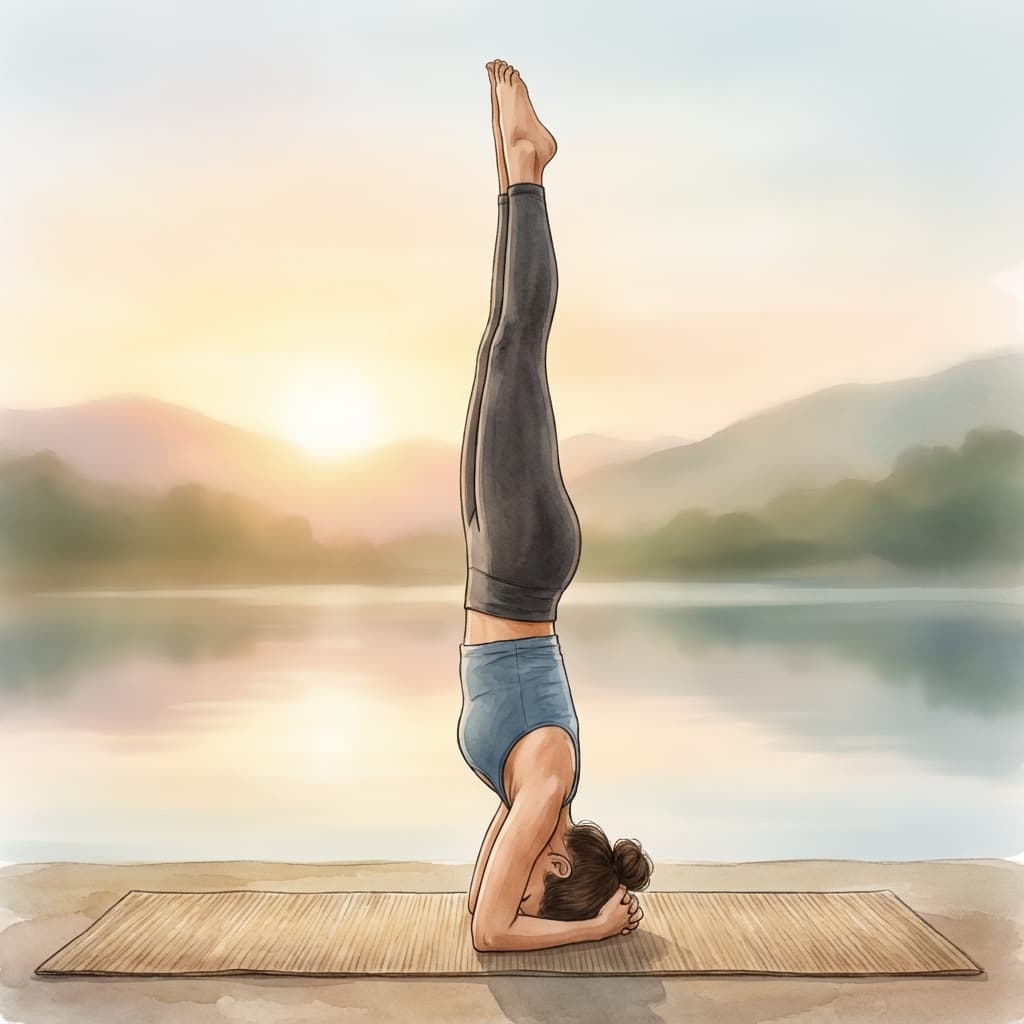
Śīrṣāsana (Head stand) is one of the most revered postures in Hatha Yoga. The name comes from the Sanskrit words śīrṣa meaning "head" and āsana meaning "posture". It requires balance, core strength, and focus. By reversing gravity's effect on the body, it increases blood flow to the brain, calms the nervous system, and improves focus.
Key Benefits
- Brain Health: Increases fresh blood flow to the brain cells, improving memory and focus.
- Endocrine System: Stimulates the pituitary and pineal glands, which regulate our health and vitality.
- Upper Body Strength: Strengthens the arms, shoulders, and core muscles.
- Digestive Health: Reverses the pull of gravity on digestive organs, helping to cleanse trapped gases and improve digestion.
- Mental Clarity: Relieves stress and mild depression; develops a sense of balance and poise.
Contraindications & Precautions
⚠️ Important Safety Notes
Do not practice Shirshashana if you have:
- High or low blood pressure
- Heart condition
- Neck injury or chronic neck pain
- Glaucoma or recent eye surgery
- Menstruation (traditionally avoided during heavy flow)
- Pregnancy (unless practiced for a long time prior to pregnancy)
Note: Beginners should practice under the guidance of a qualified teacher or against a wall.
How to Perform (Step-by-Step)
- Prepare the BaseKneel on your mat. Interlock your fingers and place your forearms on the mat, with elbows shoulder-width apart. This forms a stable tripod base.
- Place the HeadPlace the crown of your head on the mat, nestled in your cupped hands. The back of the head should touch the palms. Ensure your neck is long and not compressed.
- Lift the HipsTuck your toes and lift your hips high, straightening your legs (like in Dolphin Pose). Walk your feet towards your head to stack your hips over your shoulders.
- Lift the LegsEngage your core. Lift one leg up, then the other, or lift both legs together with control if you are advanced. Keep your weight primarily on your forearms, not your head.
- Find AlignmentStraighten your legs fully towards the ceiling. Activate your thighs and point your toes. Your body should form a straight line from ears to ankles. Breathe deeply and hold.
- ReleaseTo come down, slowly lower your legs with control. Rest in Balasana (Child’s Pose) for a few moments to normalize blood pressure before sitting up.
External Resources & Tutorials
Deepen your understanding and practice safely with these curated external resources.